.svg)
MODEX 2026: What the Floor Confirmed

We published our predictions before heading to Atlanta. Four days and fifty thousand attendees later, and the themes we expected held up. Here's what the floor actually said.
AI's data problem got named out loud
MHI (the Material Handling Industry association that produces MODEX) called 2026 a turning point, with organizations moving from AI experimentation to operational embedding. The finding that cut through most? Companies failing to get ROI from AI aren't being held back by the technology. They're failing at the foundation. The data feeding their systems doesn't reflect what's actually happening on the floor.
That's the Warehouse Reality Gap. It showed up on the main stage, and in every operator conversation we had all week. "How do we trust what our WMS says when the floor moves faster than anyone can scan?"
We built Gather AI Sage to answer exactly that question. We demoed our new operational intelligence capability at our booth all week, showing what it looks like when AI agents work from millions of physical scan observations instead of WMS or LMS records alone. Operators start their shift, whether from the floor or the C-suite, and problems are already being worked. Agents investigate, find root cause, and either act or hand back a data-backed recommendation before the surprise lands.
Across the floor, vendors that started in robotics, drones, and MHE were all extending into imaging, data capture, and reasoning layers on top. The category is converging on a shared idea: visibility alone isn't enough anymore. Operators want systems that think.
Where things diverge is underneath. Reasoning built on a single device's data reaches a ceiling fast. Machine learning grounded in years of pallet observations across live facilities, connected to your full operational stack, is a different foundation. That's the conversation we expect to be having all year.
Volatility confirmed what operators already suspected
The MHI Annual Industry Report landed with a thesis the room recognized immediately: supply chains in 2026 require structural rethinking. Tariff exposure alone has forced sourcing decisions that used to take quarters to happen in weeks.
Resilience starts with a data foundation. You can't anticipate disruption across a network of 50 or 100 facilities if your operational picture is built on periodic counts and records that drift from floor reality the moment things keep moving.
The labor conversation started catching up to the real problem
Automation dominated the floor. AMRs, AS/RS, robotics in every configuration. But the operators most focused on labor efficiency were asking about something else: hours consumed by bad data. Cycle counts that exist because the WMS can't be trusted. Chargeback investigations that take days because nobody has a visual record of what actually shipped.
That's where the real labor story lives. One announcement from the week made it concrete. Gather AI is the first third-party app integrated into NobleLift's NobleOne platform, announced at the show. Every forklift running NobleOne now has pallet verification, LPN scans, and safety alerts on a single interface, processed at the edge. Inventory intelligence travels with the forklift instead of waiting for someone to reconcile it later.
When a forklift operator knows exactly what moved and where, pickers aren't chasing misslotted product. Mispicks drop. Reconciliation shrinks. The whole floor runs cleaner because the data at the source is right, not corrected two shifts later.
If MODEX sparked a conversation you didn't finish on the floor, we'd like to continue it.
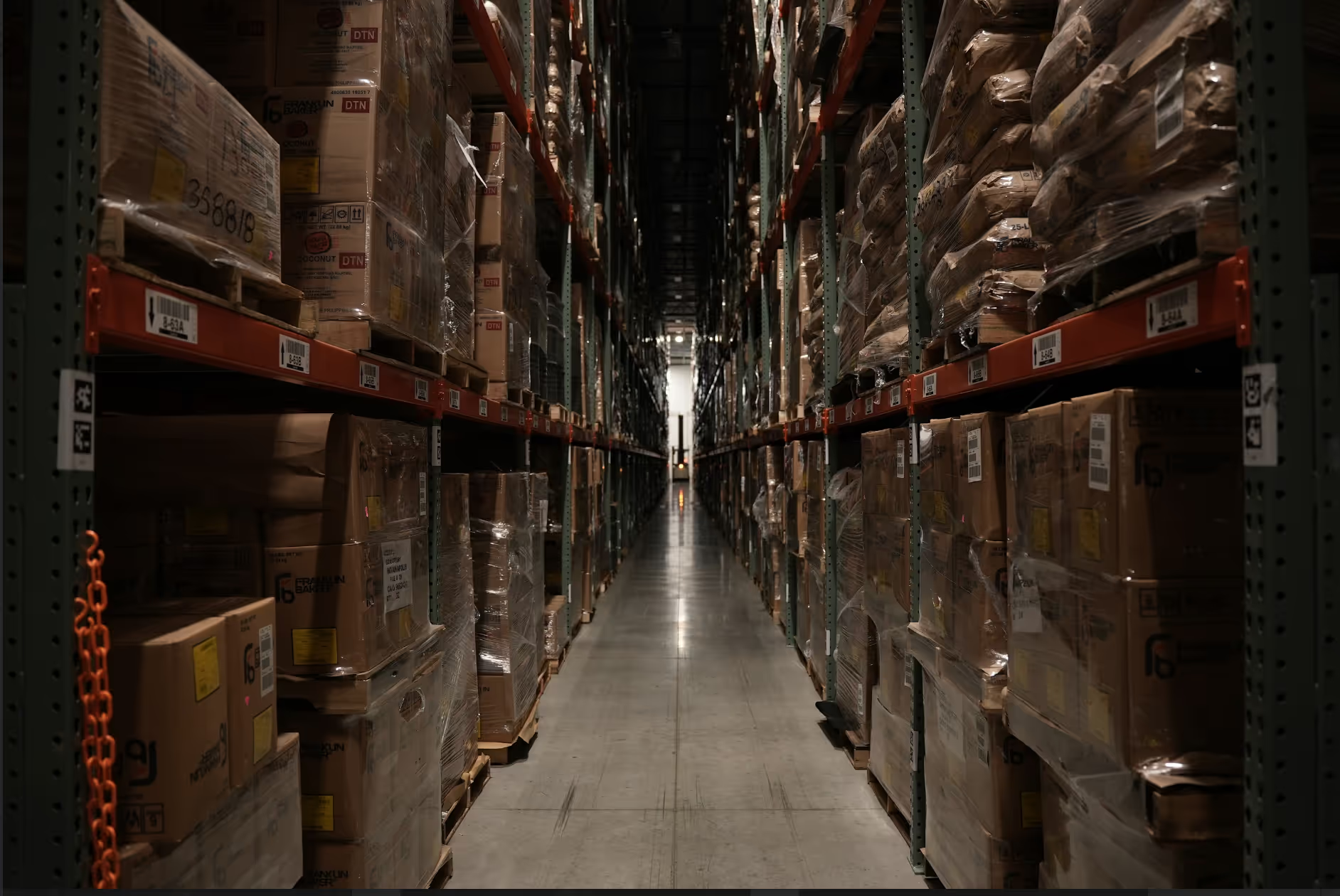

How to Harness AI to Combat the Eight Types of Manufacturing Waste
In a warehouse setting, reducing these wastes requires continuous improvement including optimizing processes, improving layouts, enhancing worker engagement, and using AI technologies to streamline operations. By addressing these wastes, warehouses can increase efficiency, reduce costs, improve quality, and better serve their customers.
-min.avif)
How Inventory Drones Help Warehouses Find and Fix Inventory Errors
Learn how you can find and fix warehouse inventory errors with Gather AI’s drone-powered inventory monitoring solution.
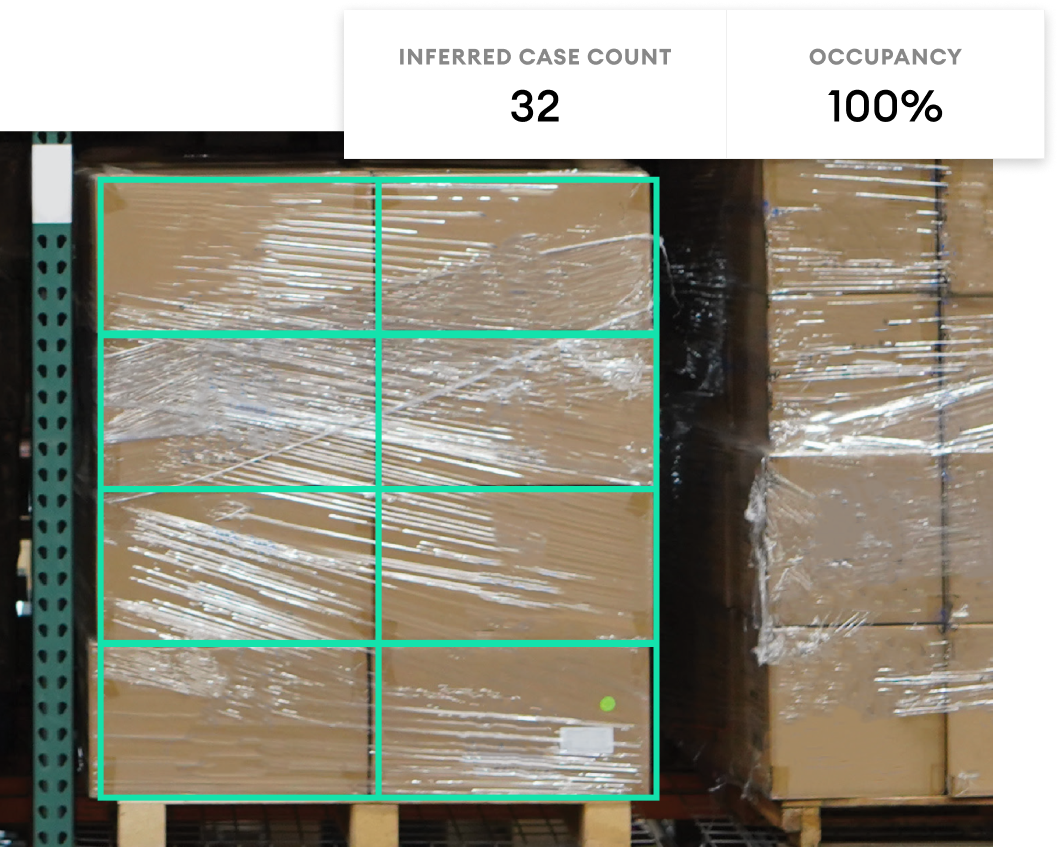
Gather AI Offers Warehouses the First Drone-Powered Inferred Case Count and Location Occupancy Capabilities
Gather AI announces two new capabilities - inferred case counting and location occupancy.
Transform your warehouse.
No infrastructure changes necessary